Branding
Nov 28, 2025
The Nature Aesthetic in AI: Gimmick or Smart Branding?
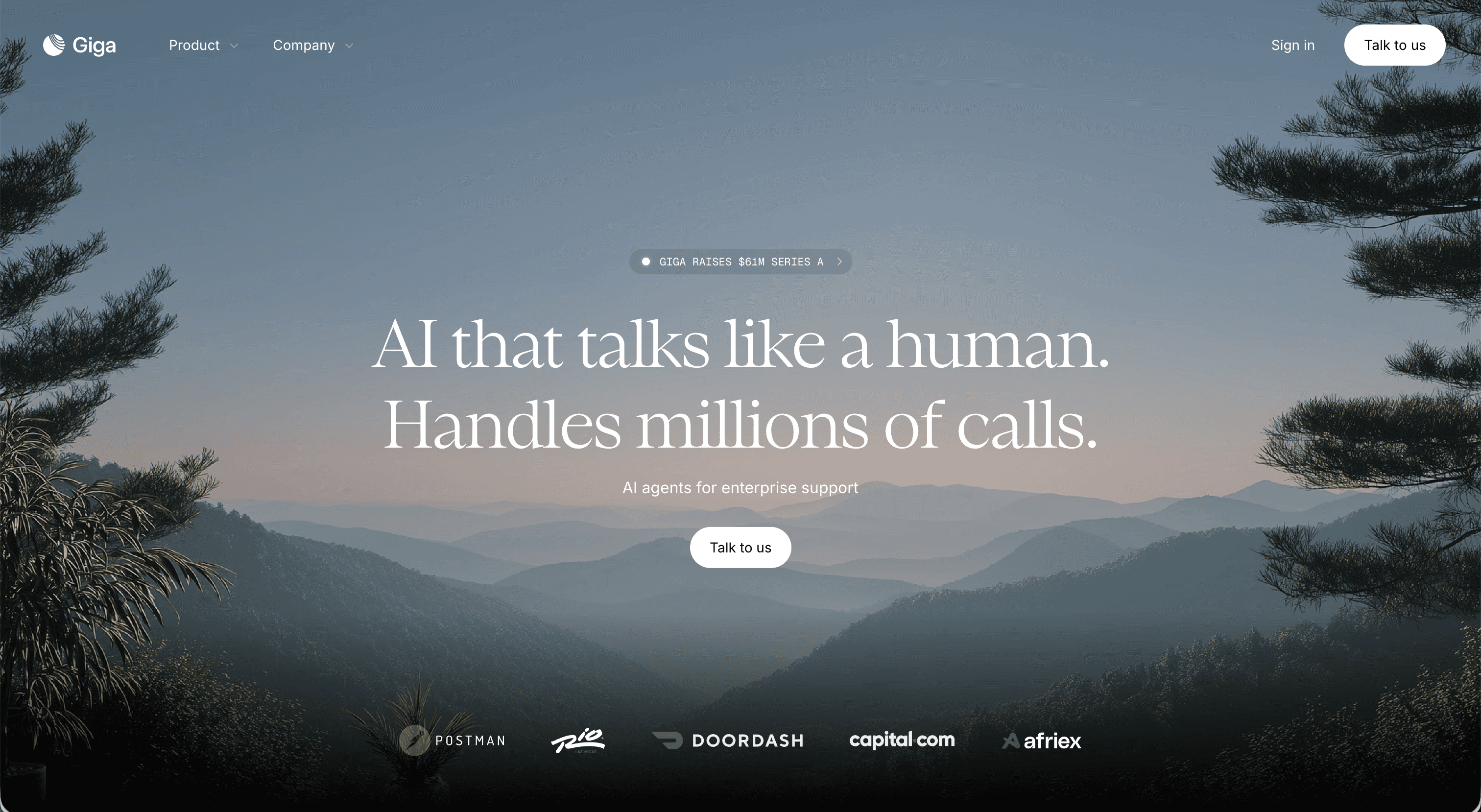
Why some AI-tech firms are dressing up their branding with a nature aesthetic
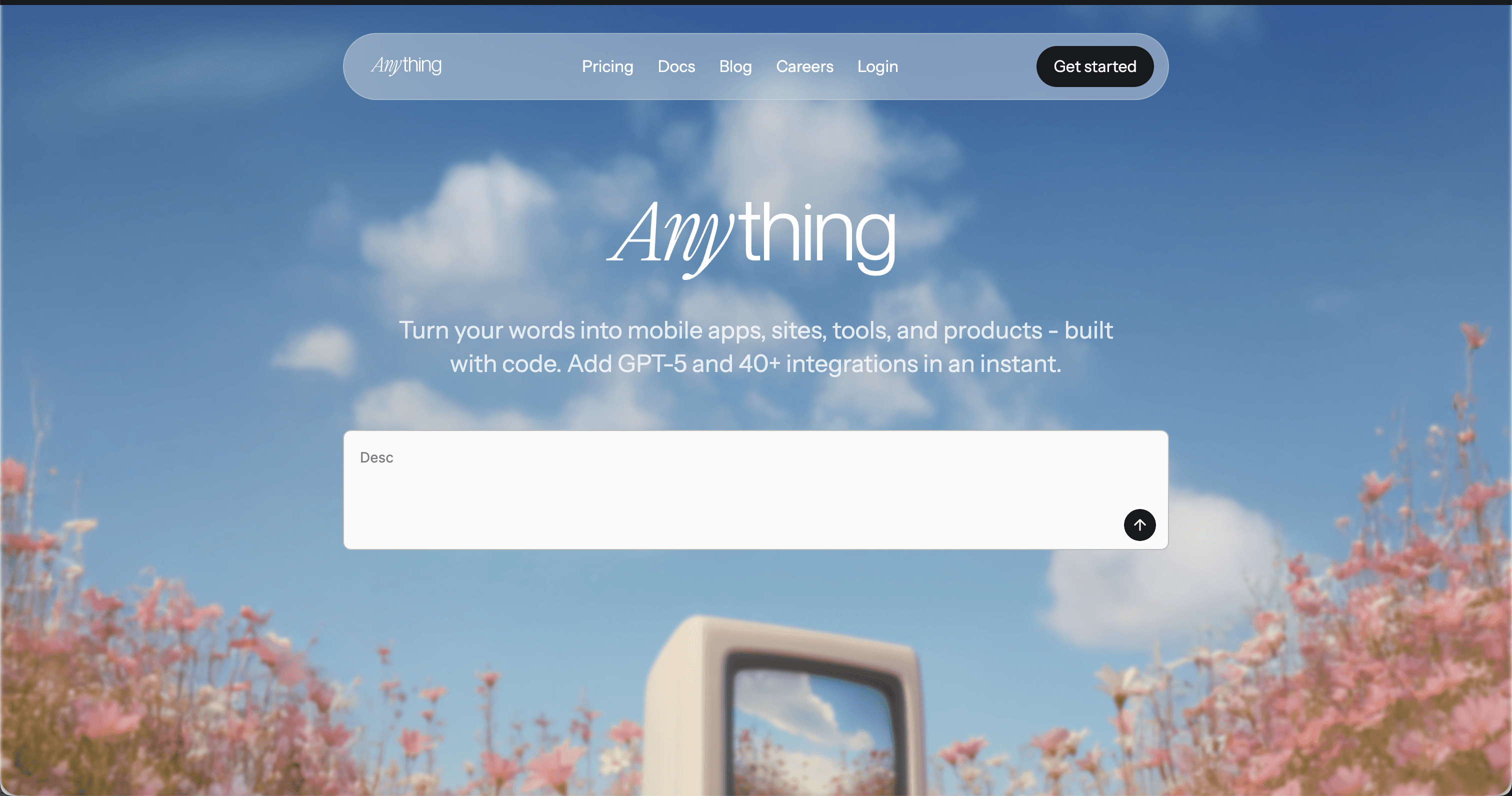
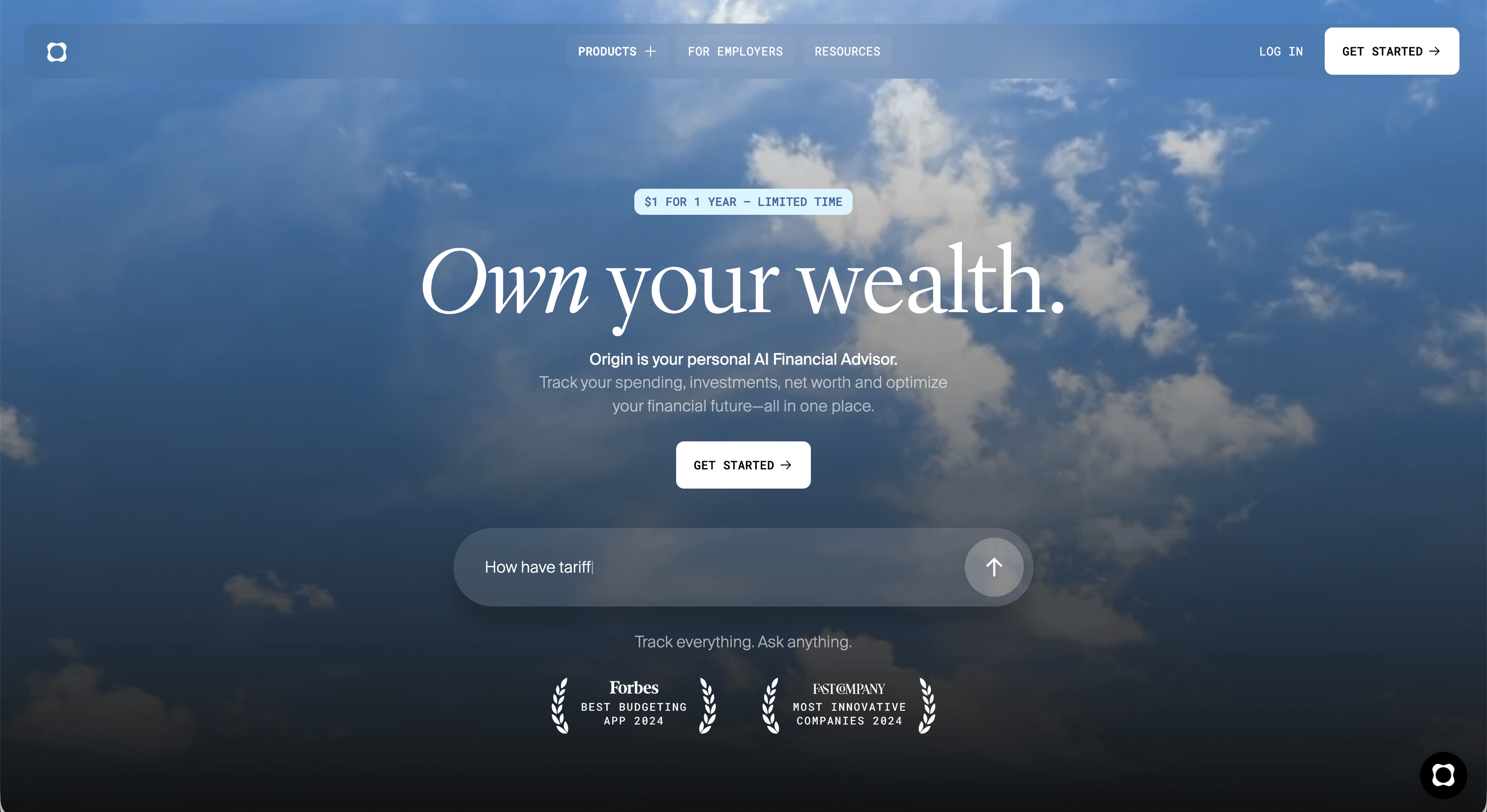
At first glance, it seems odd: companies selling compliance tooling or AI-powered app generators — fields rooted in code, algorithms, data — using imagery and design cues you’d expect from wellness brands or eco-startups. Yet increasingly, we're seeing software companies like Duna, Origin and Anything adopt that exact approach.
The reason is not purely decorative. There is a growing school of thought — rooted in biomimicry and nature-inspired design philosophies — that nature offers strong metaphors and frameworks for technology. Designers draw from organic forms, calming textures, and natural systems to evoke ideas of resilience, efficiency, balance, and long-term thinking.
In other words: using “nature” visually and conceptually helps reposition tech as human-centred, sustainable, and grounded — a counterpoint to the potentially scary implications of AI applications in our daily lives work.
Beyond visuals: what biomimicry and nature-inspired design offer tech
The visual cues are only part of the story. The philosophy behind biomimicry — where nature is treated not just as a decorative motif but a functional inspiration — has real traction in design-thinking, especially when sustainability, adaptability and human-centric design are priorities.
That means: designing products (digital or physical) with the kind of modularity, resilience and feedback loops we see in ecosystems. It means thinking about long-term usage, graceful failure, organic growth — rather than just short-term growth hacks or aggressive scaling.
When a tech startup leans into that mindset, the nature aesthetic becomes more than branding: it signals a philosophy.
Why it resonates — and why it matters now
User fatigue with “cold tech”: There is growing skepticism around purely “data-first” or “aggressive growth-first” startups. A nature-forward look can feel more humane, more thoughtful.
Desire for longevity and sustainability: In a world tired of hype cycles and vapourware, evoking nature suggests stability, evolution, and maturity.
Bridging tech and non-technical stakeholders: Founders, early users, investors — not everyone speaks fluent “tech.” A more organic aesthetic bridges that gap.
Positioning AI as part of human/natural systems, not just machines: Especially relevant for AI firms — framing them as tools that augment human creativity, not replace it.

What This Means for Founders and Designers
If you’re working on brand or product design for a deep-tech or AI startup:
Don’t assume “tech” must look cold, futuristic or aggressive. There is value in calm, understated, human-centred design.
Minimalism + subtlety positions you as serious, stable and trustworthy — valuable in enterprise and investor contexts.
If you go this route, make sure you don’t rely solely on aesthetic mimicry. Use design intentionally: let spacing, typography, imagery, tone reflect your product’s personality and values.
In short: minimal / soft / nature-adjacent design is less a fashion statement than a strategic signal. For many AI companies, it says: we’re accessible, we’re built for people — no need to fear.